
What grocers learned about digital engagement, media innovation, and the evolving shopper mindset
We are just a little over a month away from 2026 and it is already shaping up to be a defining year for grocery marketing. And not because of a single breakthrough, but because of how grocers are evolving the tools and strategies they already have.
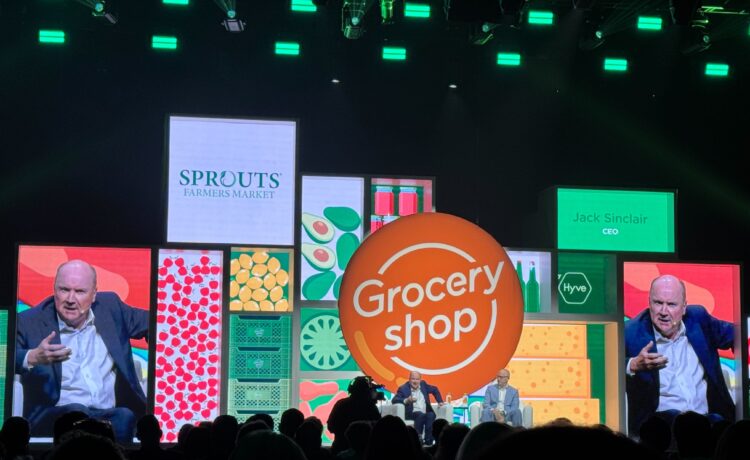
Across conversations at Groceryshop, P2Pi Live , and one-to-one meetings with national CPGs and grocery retailers, a consistent theme emerged: the companies who win are not chasing shiny objects. (Keep reading, we put together a list of the biggest takeaways from these events and meetings.)
From digital circulars and retail media to AI workflows and shopper values, this year’s biggest trends point toward deeper integration, smarter execution, and more intentional connection across every touchpoint.
Here are five key takeaways shaping the future of grocery retail in 2026.
#1 Retailers Are Rethinking The Digital Circular, Not Replacing It
For years, ecommerce stole the headlines. But in 2025, the humble circular made its comeback.
Retailers are realizing that shoppers still love the hunt and the digital circular remains one of the strongest ways to drive discovery and engagement. At the same time, print distribution continues to become more expensive and more and more retailers are reducing that distribution as a result.
Rather than positioning it as a legacy channel, many grocers are now treating the digital circular as a high-value touchpoint for product discovery, promotion, and personalization. Retailers are exploring hybrid strategies, including digital-first formats and in-store exclusive print editions that reward loyalty and foot traffic.
This renewed investment reflects a broader realization: the circular is one of the few tools that consistently engages both digital and in-store shoppers and can be adapted to support retail media, loyalty programs, and product launches.
2026 will bring a new wave of experimentation:
- Hybrid print + digital models, where printed circulars are available only in-store to reward loyal shoppers.
- Digital-only experiences that integrate coupons, weekly deals, and personalization across devices.
As retailers test new formats, the goal is the same: to make offers more relevant and seamless across channels.
#2 AI Moves from Buzzword to Business Tool
Artificial intelligence dominated conversations again this year, but the focus shifted from “what it can do” to “what it’s doing now.” Rather than speculating about what AI might do, industry leaders are using it to streamline operations and accelerate execution.
A key trend in 2025 was the emergence of agentic AI, which is a class of AI systems designed to complete defined tasks with limited human input. Instead of simply analyzing data, agentic AI enables media planning, campaign execution, and shopper targeting at scale.
For example, Kroger and Ahold Delhaize shared how they’re layering agentic AI into their retail media platforms to automate campaign setup and measurement turning what was once a multi-step process into a one-click operation.
This shift isn’t about removing human decision-making. It’s about reducing the manual lift required to act on insights quickly and effectively. As retail media networks scale, the ability to move from insight to activation without operational friction becomes a real competitive advantage.
#3 In-Store Retail Media Isn’t Slowing Down
Much of the buzz in grocery over the last few years has centered around digital channels, but let us remind you that the physical store still offers unmatched visibility into full-basket behavior.
Rather than viewing in-store as separate from retail media efforts, grocers are investing in ways to make in-store experiences measurable, dynamic, and brand-friendly.
At Groceryshop and P2Pi Live, the most forward-thinking retailers described the store as a media environment just as much as a sales environment. New pilots are testing:
- Digital screens that display personalized offers, brand messaging, and loyalty-based promotions in high traffic areas
- In-aisle media that can adjust based on time of day, inventory, and local events
- Integrated reporting that helps CPGs see how in-store activations correlate with digital impressions and actual sales
Industry leaders highlighted a critical nuance. In-store media has to feel native and useful, not intrusive. From the P2Pi Live keynote stage, Derek Gaskins from BP described retail media as a way to extend advertising without being so creepy, especially when it is tied to opt-in loyalty data rather than third-party tracking.
But the key challenge will be making in-store media feel native and useful rather than intrusive. As technology improves, so do the opportunities to create seamless in-aisle engagement without disrupting the shopping experience.
#4 The Rise of the “Intentional Shopper”
Beyond budget-conscious customers, a new kind of shopper is shaping how grocers think about assortment and messaging: the intentional shopper.
The rise of GLP-1 medications and the increasing demand for clean-label and nutrient-dense products are reshaping how grocers think about their assortments and messaging.
Retailers like Whole Foods and Giant Eagle are investing in strategies that merge health, wellness, and grocery, including clearer on-shelf messaging and cross-promotion between pharmacy and grocery services.
At P2Pi Live, speakers summed it up in one simple idea. Shoppers are not just looking for discounts, they are looking for alignment with their goals, values, and lifestyle.
Even packaging is evolving to support this trend. Whole Foods, for example, redesigned its bags to list banned ingredients and reinforce brand consistency around product standards. This strategy helps reassure health-conscious customers of the retailer’s commitment, while providing culinary shoppers with added transparency.
#5 Social Commerce Is the New Frontier
Social media has long been used to inspire grocery purchases, but now it’s becoming a direct path to purchase. Platforms like TikTok Shop are driving billions in sales with food ranking among the top-performing categories.
This shift lines up with what national CPGs told us at P2Pi Live. Social platforms are evolving into commerce engines. Brands and retailers that invest in agile, content-driven social strategies will be better positioned to capture younger audiences and impulse-driven purchases.
Brands and retailers that integrate shoppable links, influencer partnerships, and personalized offers into their social strategies are beginning to see real performance, not just vanity metrics.
What We Heard at Live Events: Groceryshop 2025 + P2PLive
Industry events like Groceryshop and P2Pi Live gave retailers and brands a front-row seat to what’s actually being tested, rolled out, and refined right now.
From Groceryshop 2025:
- The digital circular isn’t just a coupon tool. It’s the engagement engine that connects your ecommerce, retail media, and loyalty strategies. One dominant regional retailer shared that after not having circulars for years, they are now launching them in targeted markets to better engage specific shoppers.
- The store is evolving from a sales-only environment into a media-rich experience. One national CPG shared how in-store strategies are the primary focus for the start of 2026 with a specific goal of tying in-store media to individual shopper activations.
- Shoppers aren’t just looking for discounts. They’re looking for alignment with their goals, values, and lifestyle. This means circulars built more around new item education and discovery, as one independent retailer shared that they are making this the focus versus item discounts.
The common thread? Retailers aren’t chasing flashy new tools. They’re evolving the ones that already work.
From P2Pi Live 2025:
Webstop CEO and Adsta co-founder Shawn Tuckett attended the Path2Purchase Live event and along with some great presentations also met directly with 13 national CPG brands, including Mondelez, Monster Energy, and Boston Beer Company, to explore how to better support regional and independent retailers.
Key takeaways from those conversations:
- CPGs want performance, not just presence. Top-of-funnel marketing is losing budget. Brands want sales data tied to digital activity so they can prove ROI.
- Regional reach is under-leveraged. National brands struggle to engage regional audiences effectively and are allocating more budget to retailers who provide local impact and real-time data.
- “The big guys beat us up, but they’d go broke without us,” one CPG shared. “And that’s why these regional opportunities that are more collaborative offer so much promise.”
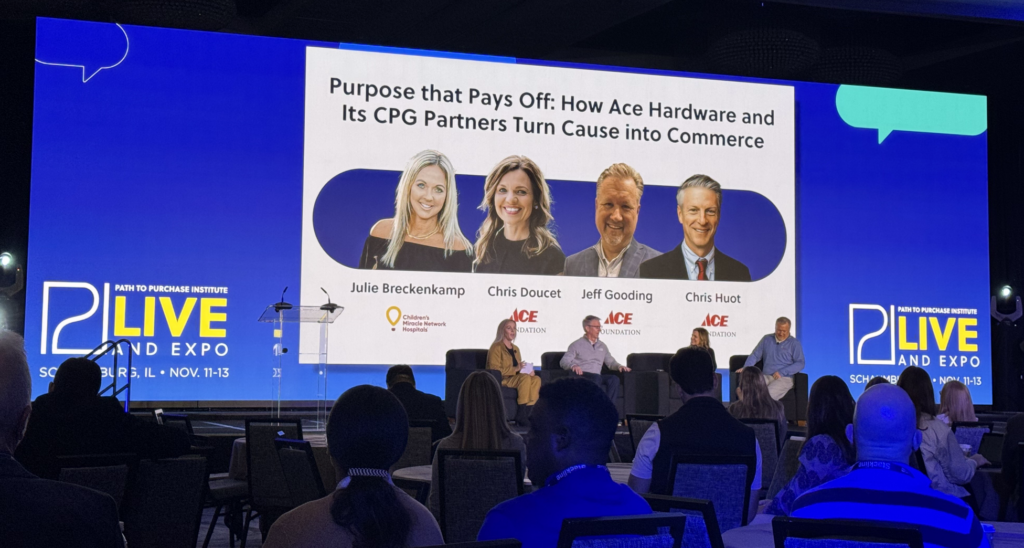
- Cause marketing is still a differentiator. Ace Hardware and Children’s Miracle Network have raised $24M+ annually while also driving store traffic. “Purpose breaks the tie,” said Jeff Gooding. When price and product are equal, values win.
Human connection still matters. Mondelez reminded the audience that even as AI evolves, the best campaigns are those that connect emotionally, like their Do You Speak Oreo campaign.

What the Latest Trends Mean for Grocers Today
If our experience in 2025 made one thing clear, it’s that digital engagement doesn’t mean abandoning what works. The future of grocery doesn’t have to choose between ecommerce and the circular, or online and in-store. Grocers can create a unified experience that makes every touchpoint shoppable.
Most grocery retailers have access to digital tools. But when those tools operate in silos, the impact is limited.
Webstop brings everything together from your website and circular to coupons, ecommerce, and loyalty into one connected ecosystem built to drive results. Each feature reinforces the next, creating seamless shopper journeys that build engagement, increase basket size, and boost retention.
Can you afford to miss out on connecting with a larger audience?
Book a demo or reach out to us: sales@webstop.com.